Darren Leader Studio

Units: Unit One

End of Unit One

Tomorrow is submission day for Unit One.

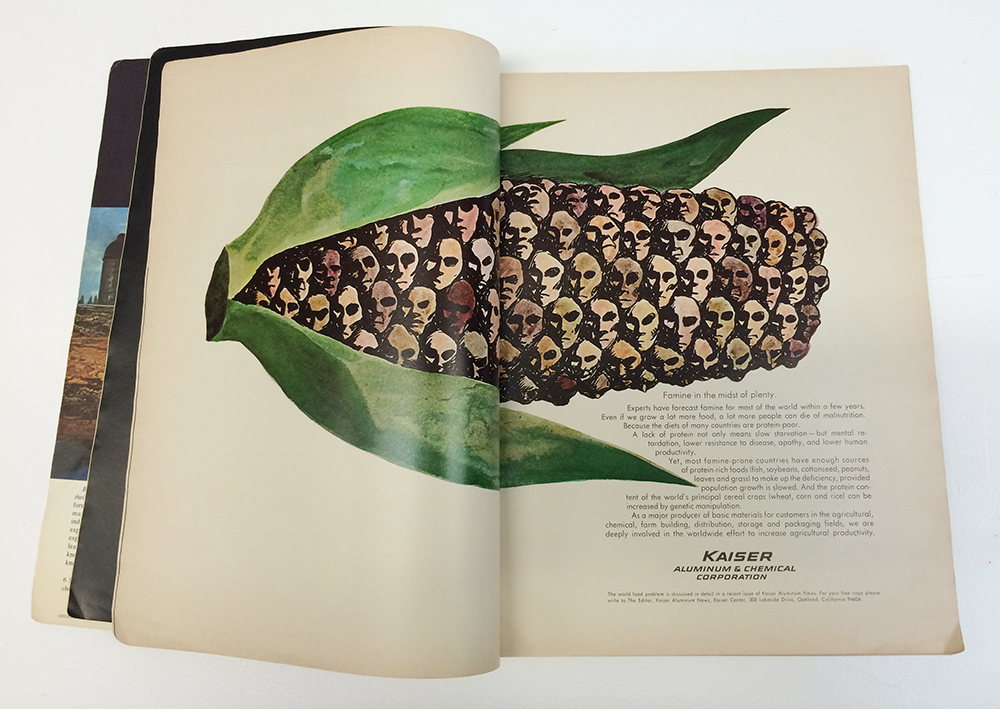
My second reflective statement is printed and bound. The submission also includes peer observations with my Graphic Communications colleague, Nigel Aono-Billson and my proposal for an Action Research document for Unit Two. That could be interesting. At Graph Comms, we often like to pitch work in a sentence, so here is mine: ‘Are Google and Adobe the new teachers?’… I’m pausing for dramatic effect (and there’s a clue in the image above). It’s all there is my statement, which can be viewed in my previous post.

I can’t deny that balancing work, teaching and delivering the PG Cert has been hard work, but I’ve enjoyed the process. But it’s easy to underestimate the amount of headspace it can take up once you get started. However, once aligned with my love for graphic design, it finds a thoughtful space.

Unit Two beckons, and my colleagues on the PG Cert want to push onto fellowship. I may have to give in to peer pressure. Just as long as it balances with the forthcoming assessments and degree show. Let’s see.

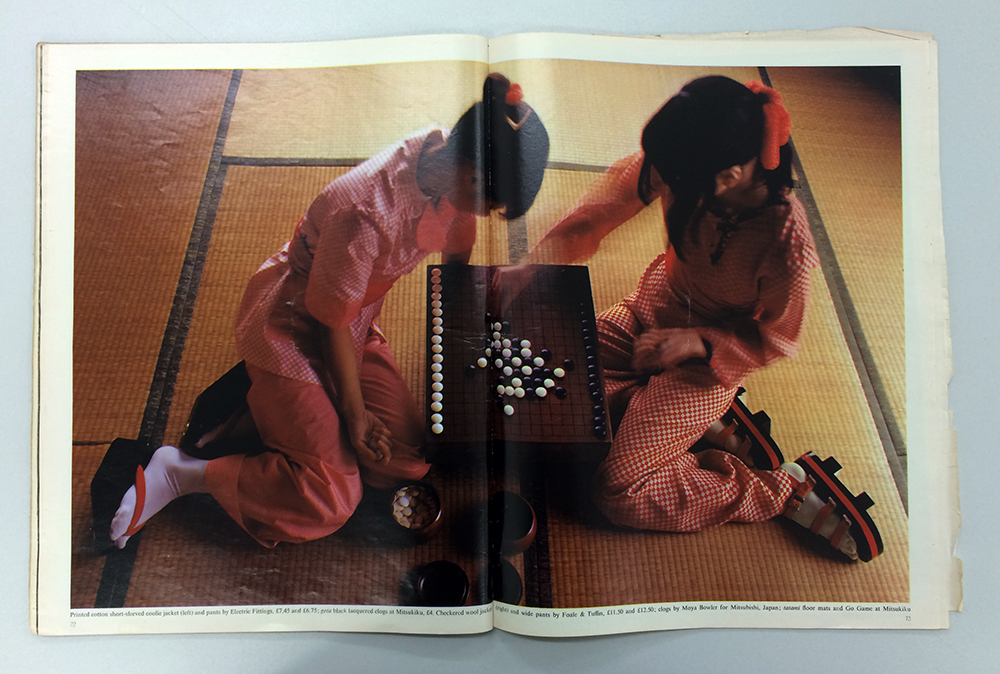
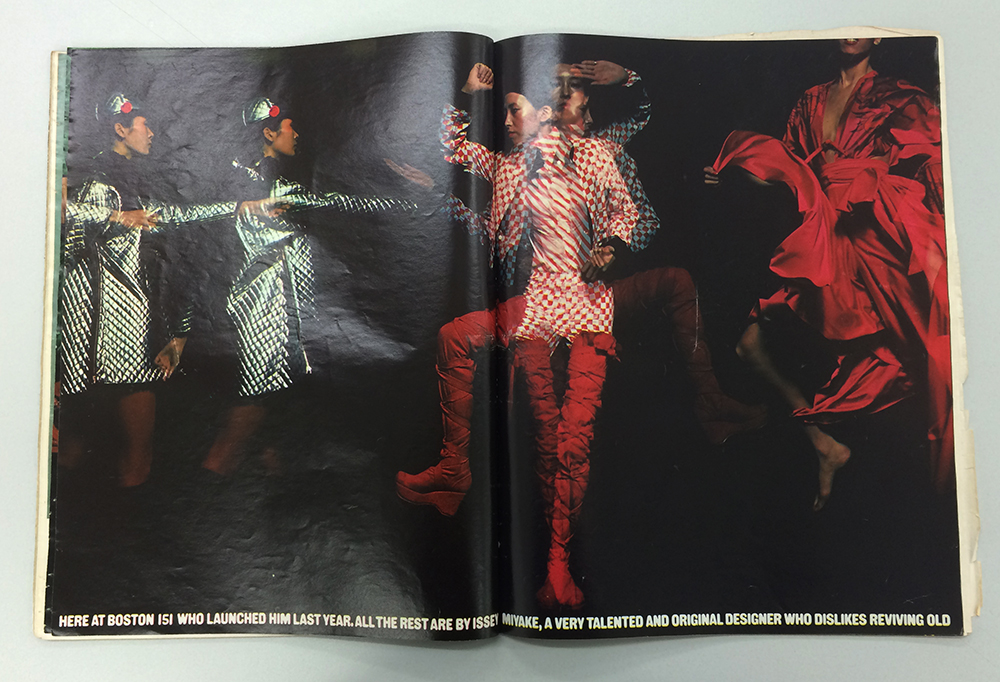
Photo: NOVA magazine, designed by David Hillman.
Reflecting on Theory and Practice: Reflective Statement Two

Here is my second written statement. I enjoyed every one of the 3,000 words. No, really. It’s obvious but you suddenly realise that it is the process of investigation and reflection that is the most rewarding. I have considered three learning theories in the context of my teaching practice, though there is a challenging footnote at the end of the essay. Are the theories, just that: supposition? Or am I comfortable in the certainty of professional knowledge and skill? Seriously though, the learning theories have been processing in my mind while working at NUA. Here is my reflection.

Photo: Learning Theory Icons designed by Darren Leader Studio

Please download or view.

Rule 8

Corita Kent
The Immaculate Heart College Art Department Rules

Corita Kent, Catholic Nun, Artist and Educator.

Top photo: Rule 8 designed by Erik Kirtley

erikkirtley.com

Active Learning Session: The Perfect Circle

I’ve enjoyed the Active Learning Sessions delivered by my PG Cert colleagues. It’s been great to hear their viewpoint and visit the other facilities of the university. And for me, the learning theories come alive in the context of teaching and our environment. The discussions after each session often give me cause to reflect upon my own teaching. How can I make the learning experience for undergraduate designers better? I’m certainly conscious of the learning theories now.

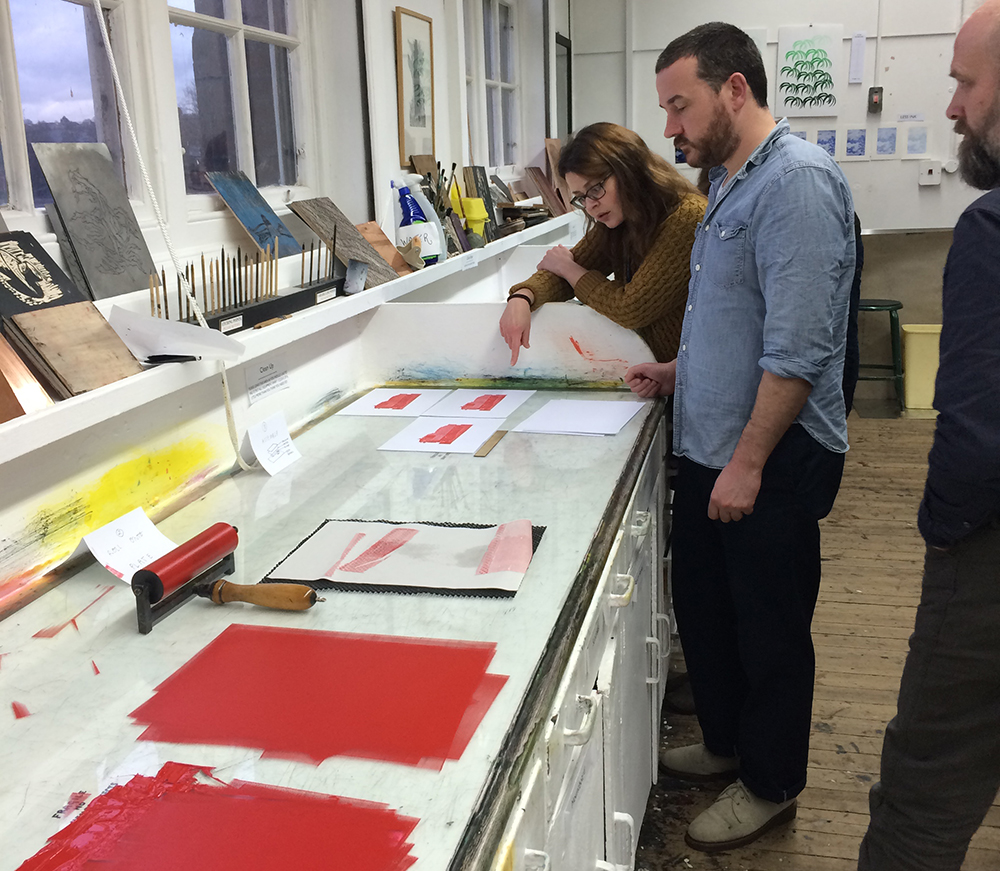
Above: evaluating the results – print making workshop.

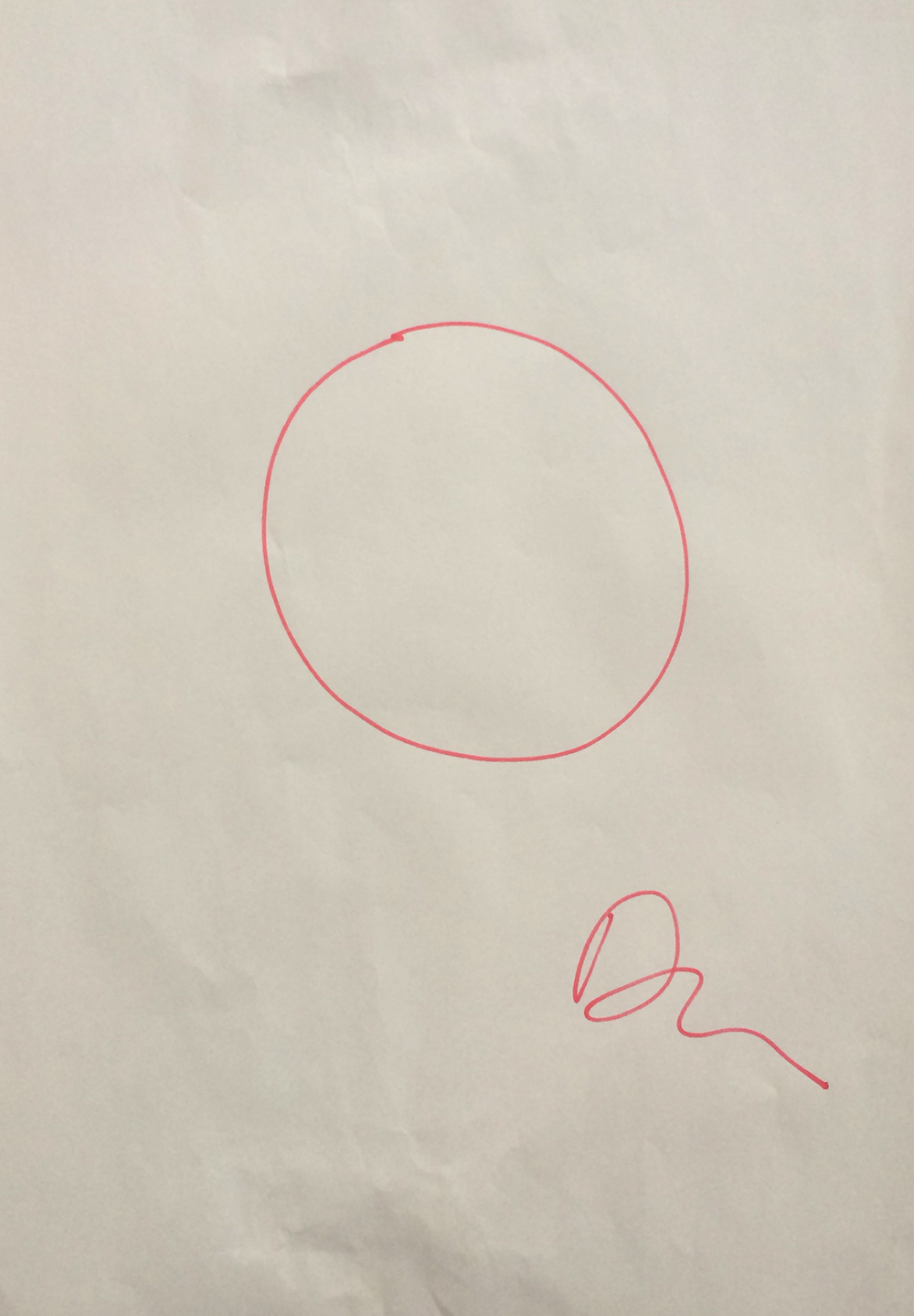
NUA drawing tutor Will Teather, challenged us to introduce ourselves and then draw a circle. Sounds simple, but he asked whether we felt a twinge of anxiety; would our circle be terrible, would we be afraid of judgement by our peers? And then Will asked us to discuss how he could improve the environment of his drawing classes. It had been pointed out earlier, that some students could have negative associations with classrooms. Based on previous experience: stress + anxiety = classroom. Will has to add life models into that equation!

Will has tried background music, which I would naturally advocate. Music can create a mood, an atmosphere. I often start the day with ambient music to set a scene of calm (I recommend Music for Airports by Brian Eno). Or is it a positive environment where it’s Ok to get it wrong. I mentioned that it can be beneficial to demonstrate, then they see us in action. And Will admitted that even he could potentially mess up his perfect circle. We learn and try again.

Infohackit 2016

Infohackit is a one day event which brings together scientists and designers, with the aim to share skills, collaborate and communicate often complex scientific research, into a concise visual presentation. NUA graphics students have taken part for the last two years and although it is challenging, the experience is rewarding. The scientists are mostly from the UEA and Norwich Research Park and their work varies from environmental to biomedical.

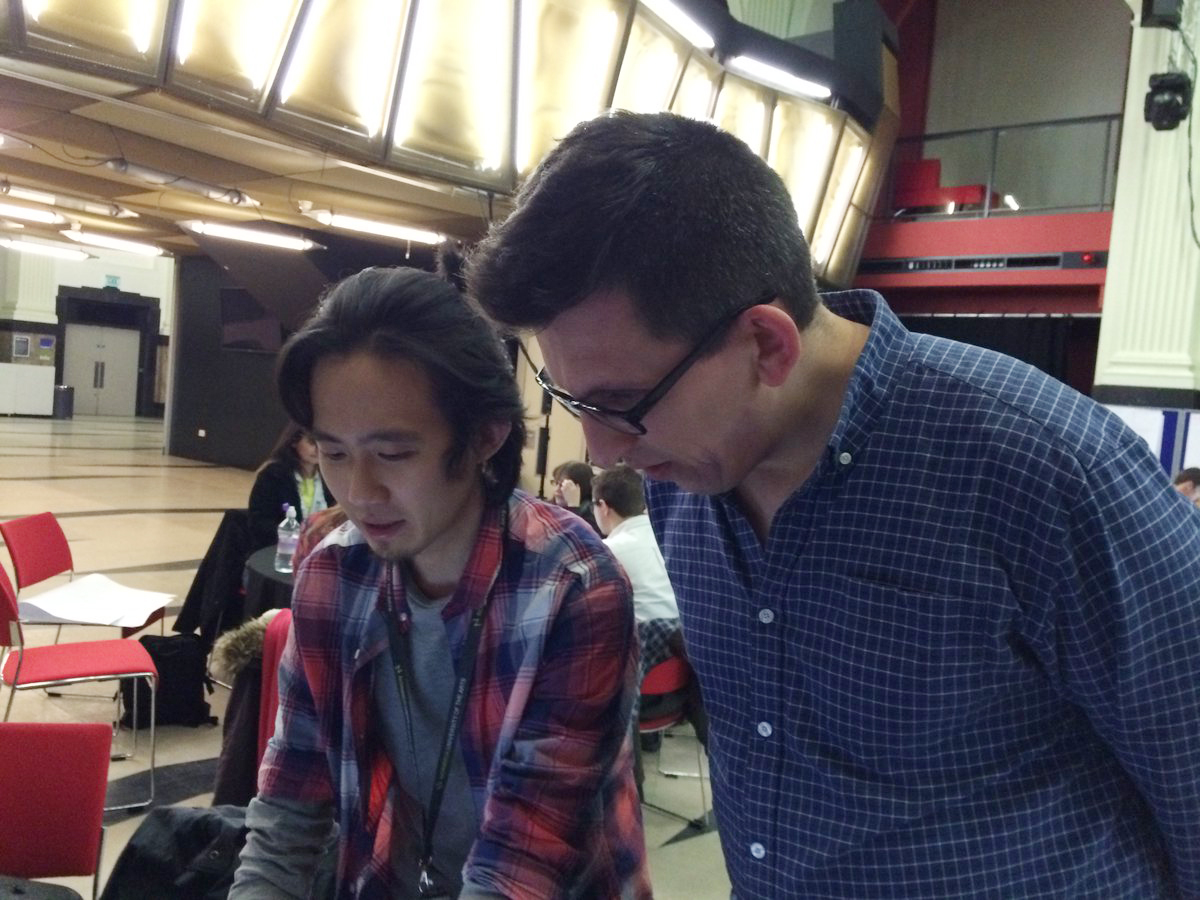
At the start of the day, teams are formed and once individuals are introduced, they have to build their own brief. And here the designers take the lead, by questioning and identifying what exactly the scientists wish to communicate. Maintaining dialogue is essential.

The teams have just 12 hours to build their presentation, which can take the form of an infographic, an installation or digital interaction. And the communication is dictated by its purpose and its content considerate of its audience. Will it be directed at specialists or inform the general public? Once the deadline is reached, each team has to present its outcome. The whole process encompasses problem based learning and experiential learning. But can the designer speak science? Can the scientist speak design?

So how did they get on? I asked a few NUA students.

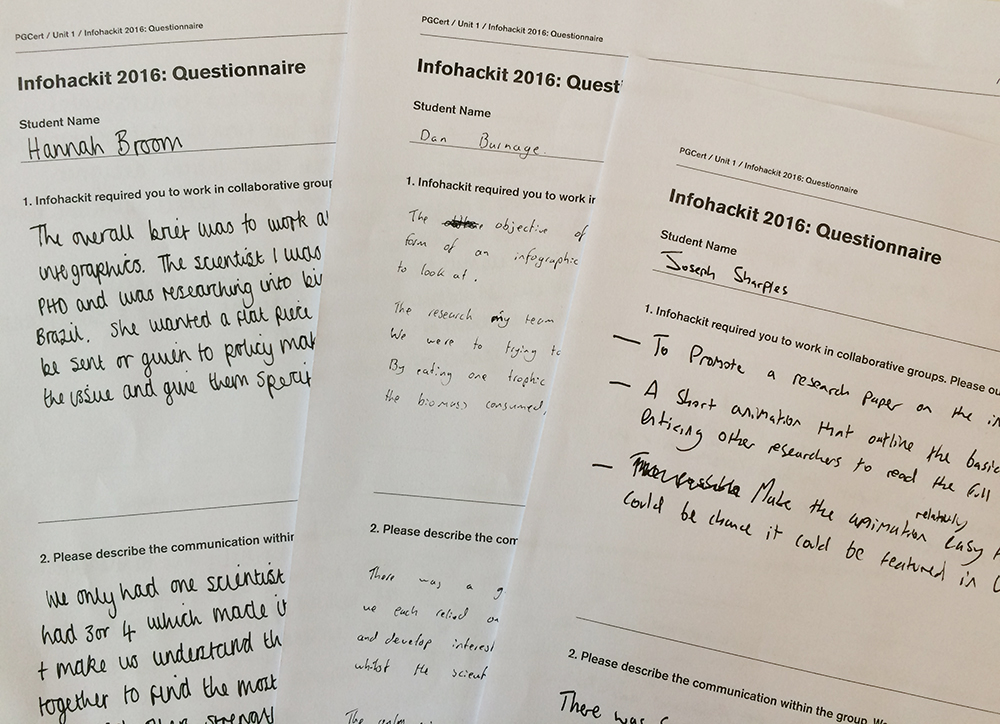
Each student was asked to reflect on the overall experience and the answers were reassuring.

They each learnt about fields of study and expertise which was entirely new to them. And the same could be said for the scientists, one NUA student quoted their colleague, “I never realised how useful design can be. Designers and scientists should collaborate in the future to help communicate their discoveries to the public”. And he is right. The job of the designer is to listen, question, emphasise, gather data and help communicate complex messages to help clients fulfil their strategic objectives.

I intend expanding upon the student feedback in my next reflective essay.

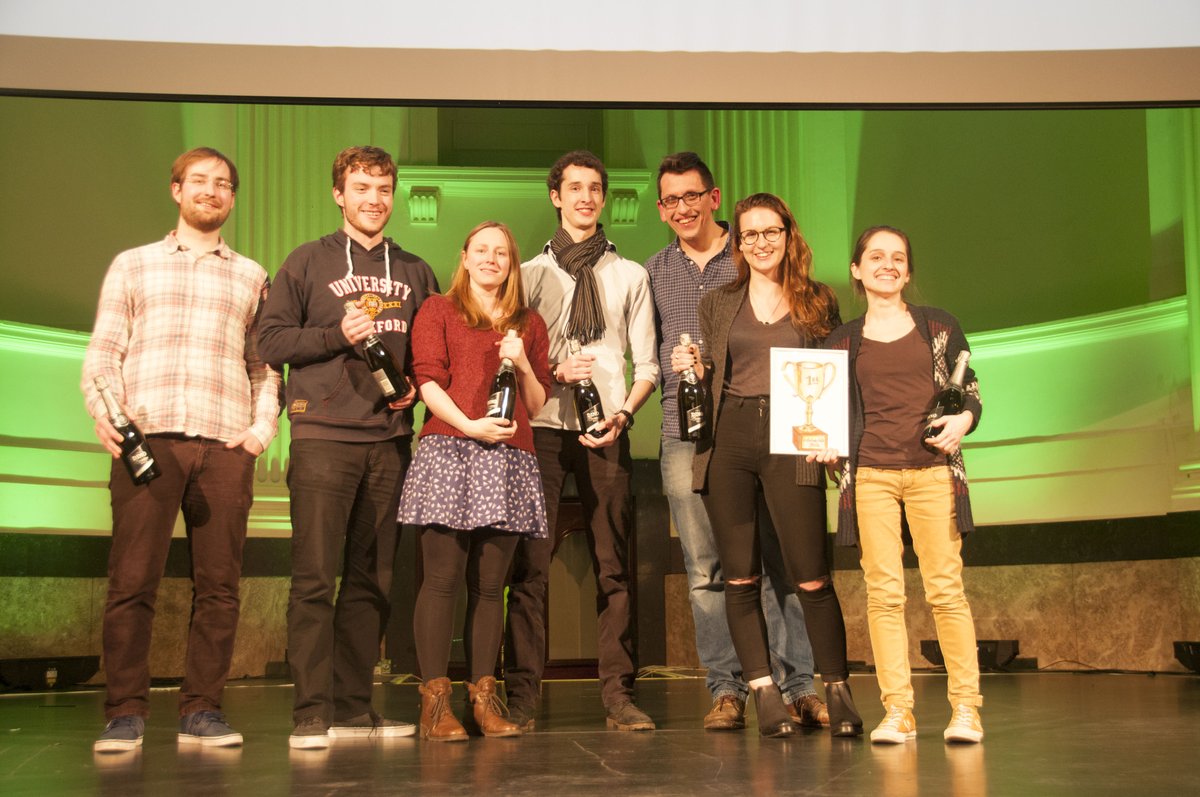
Congratulations to NUA Graphic Communication student Dan Burnage and his team for picking up first prize for their animation which explained the dangers of over fishing.

#infohackit

Studio Meets the Lonely Robots

Top photo: Fortune magazine, 1968.
Event photos: Lucy Marks.

Active Learning Session: Making Connections

This is the day. I do enjoy presentations and talks, so I was looking forward to delivering my active learning session. Though it was a talk (but that was left up to us). But it did feature important workshop activities by Year One and Two, both examples of experiential learning. And crucially, the example of tutorial. It’s a meeting I always aim to refine as tutor / partner / facilitator and the roundtable experience of surface and deep learning. It’s our opportunity to ask for brief interpretation, discuss ideas, direction, tangents, inspiration. And plan actions. To be reviewed at the next tutorial.

Please download or view the talk.

Spin the Experiential Cycle with Hyper Island

It was while I was planning my talk for the Action Learning Session that I discovered Hyper Island. I was caught up in my own theory that practice could benefit by (more) learning. And businesses need to pause occasionally. Professional they may be, but it’s easy to get caught in a cycle of constant delivery and restrict new ideas and creativity. Enter Hyper Island.

Hyper Island are an educational organisation which helps revitalise businesses and their staff. No more lousy paint ball, or other such nebulous team building exercises. Hyper Island utilise experiential learning theory. It looks lively.

Workshop 4: YR1 Advertising

It’s that time of year again. Previously, the advertising project for Year One was unpopular with teaching staff, probably on ethical or maybe aesthetic grounds. I don’t know. But I challenged at the time, that we have to be realistic that graphics has its roots in the arts and commercial world. Before the term graphic design there was commercial art. But best of all, it’s an opportunity to highlight the importance of written skills, our use of language and media of communication.

My professional background is brand and advertising, and for my sins, I provide two lectures, participate in teaching and tutorials for this project. And with the support of Lecturer, Gill Johnson we’ve managed to turn it around to become a popular project for Year One.

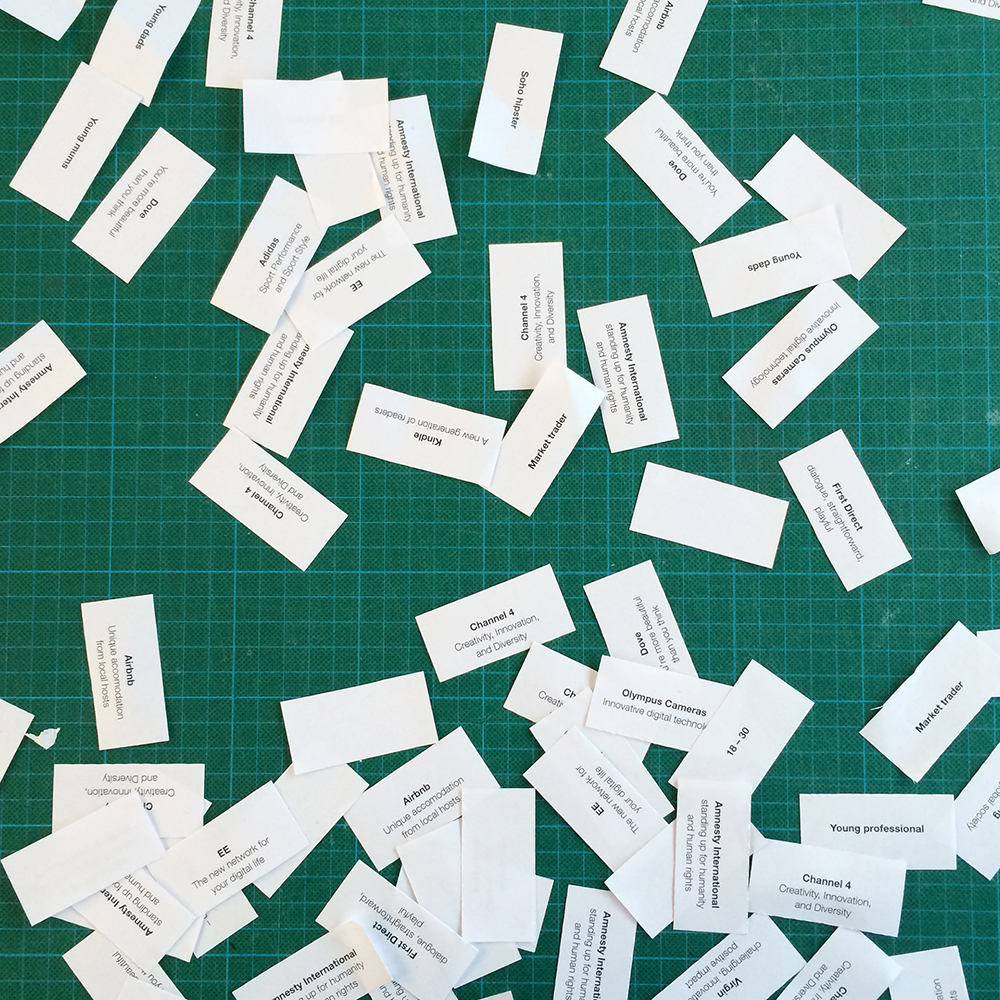
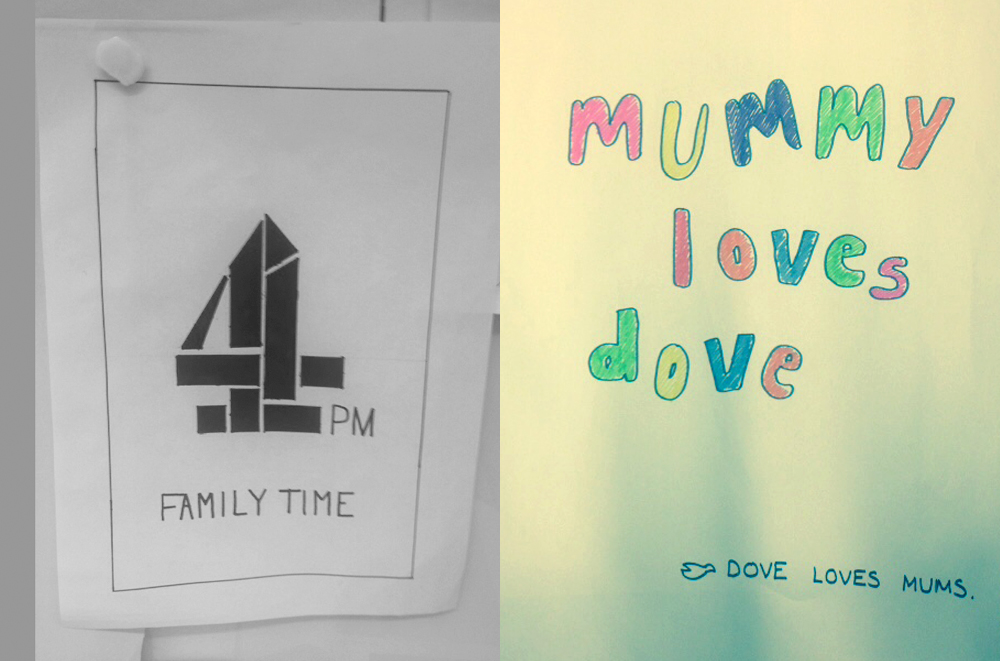
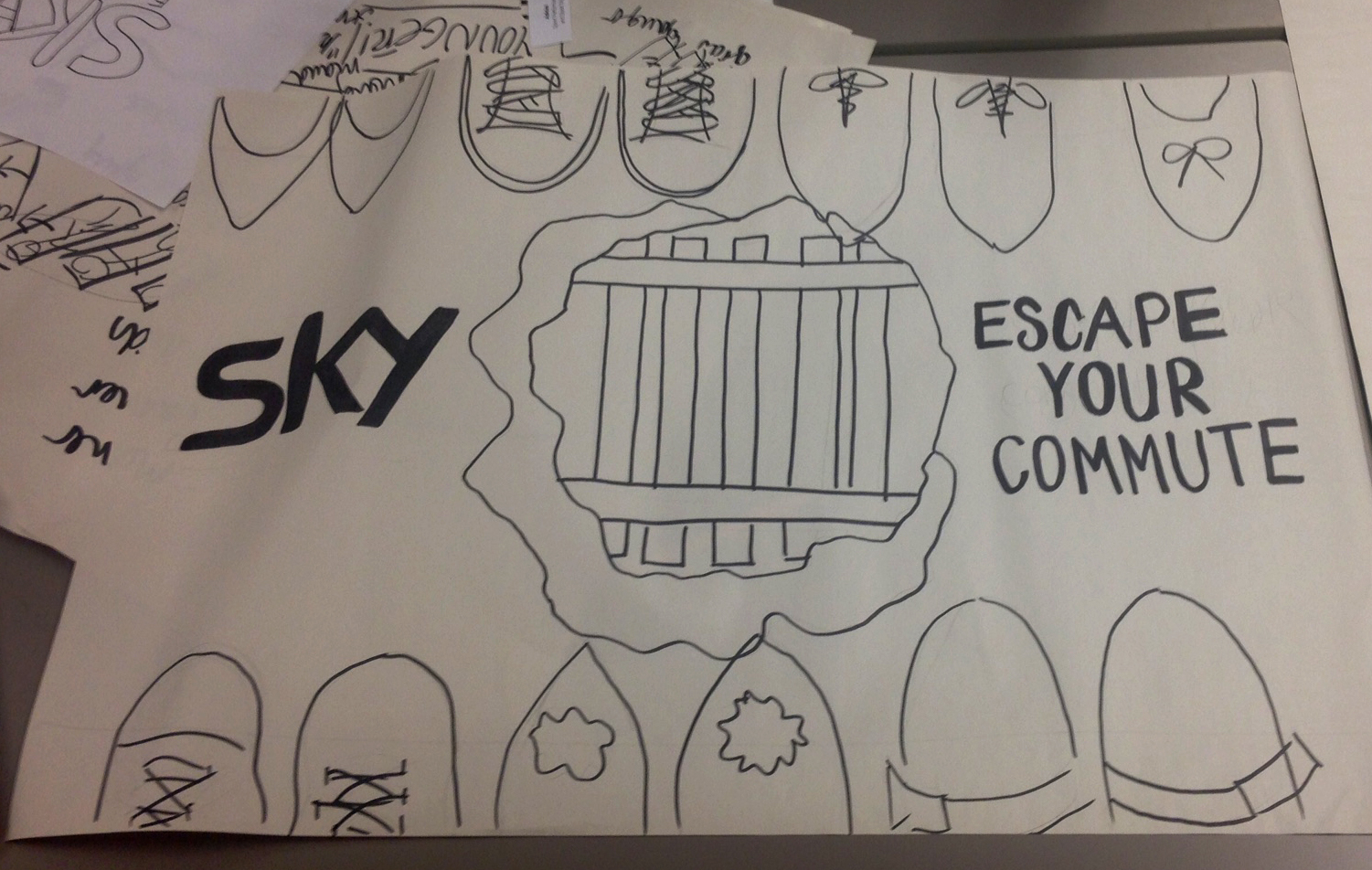
I also run a valuable workshop, where students are encouraged to work in groups, and only work roughly with marker pens and large sheets of paper. But first they need to select a ticket from two boxes: one features a client and a unique selling point, the second an audience. They then have two hours to discuss and test their surface and deep knowledge on each of these areas. And create an advertising campaign. Halfway through we pause and select teams that are making encouraging progress and share with the rest of the year group. After this critical review, they resume this activity for another hour, until we call time and instruct them to select their best adverts and display on the wall for critical evaluation.

It’s a very productive session, which feeds directly into their main project where they apply the thinking and skills learnt. For more on this workshop, and its experiential value, please see my talk for the Active Learning Session.

Advertising workshop photos: Amy Muddle.

The Prettiest Star, RIP

“I had no natural talents whatsoever. 
I made a job of work at getting good. 
And the way I could learn was to 
see how other people did it.”

David Bowie, 2003

Reflecting upon himself as a young man.
Reflecting on Theory and Practice: Reflective Statement One

Here is my first written piece for the PGCert.

I’ve enjoyed the process of reflecting upon the last eight years of teaching at NUA. There have been so many highlights such as the many talks and conferences, each graduating year and their degree shows. Nurturing our students through the three years of their degree. There’s much more to document there, which I can detail in another blog, but this essay is more a reflection on my approach to teaching and the impact that I make on the graphics courses. Also, it’s important to state that I am a HPL, and balance teaching with professional practice. With that in mind, I’ve included an introduction that includes a summation of my career, which I think is important for context.

Photo: In Search of Taste magazine, design by Darren Leader Studio.

Please download or view.

Workshop 3: YR2 Type Hierarchy and Layout

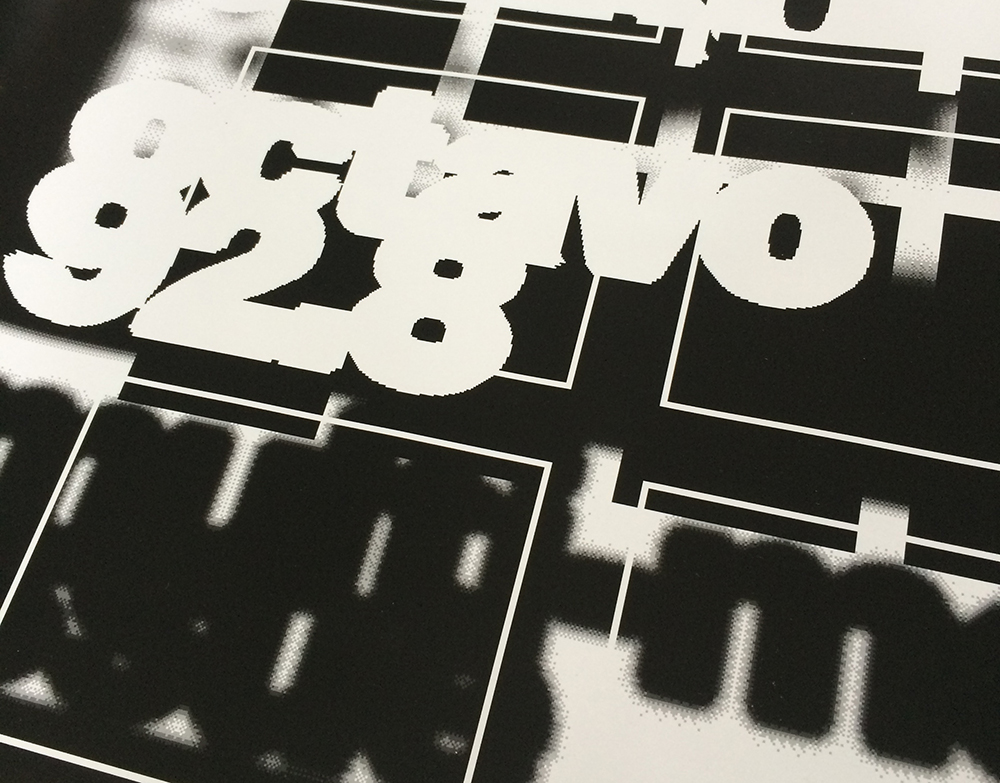
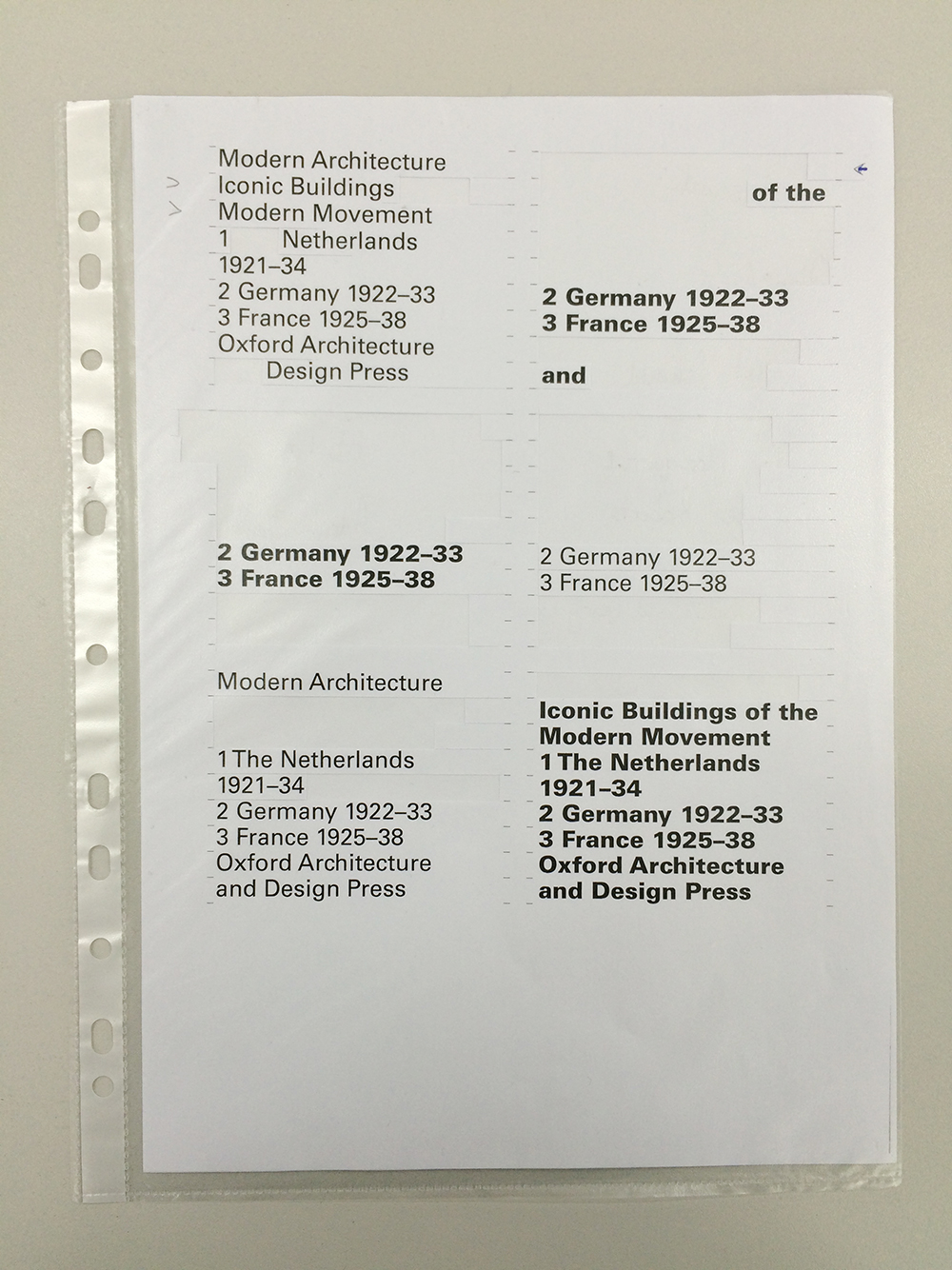
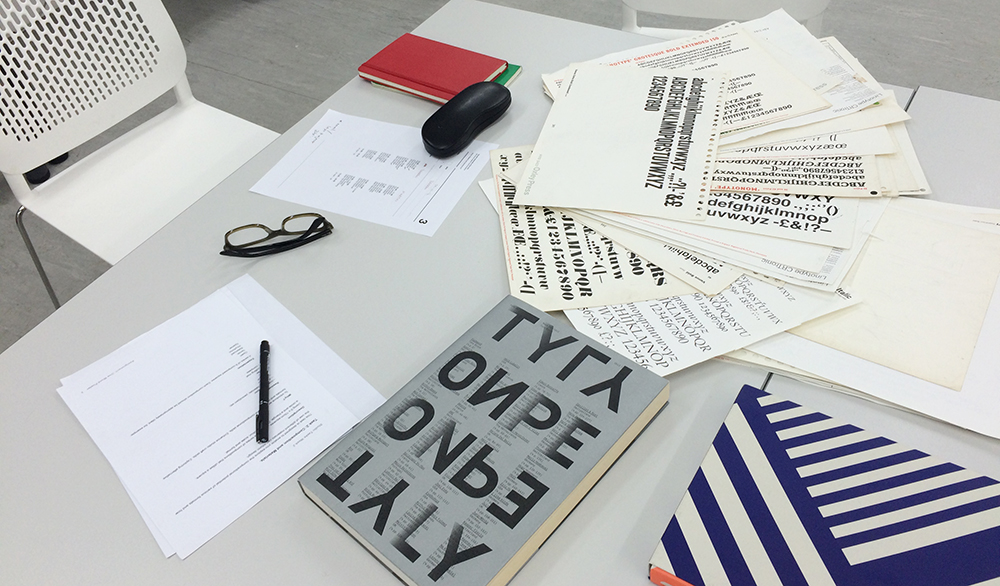
It was privilege to assist during this workshop. This Year Two workshop was lead by one of my design heroes, Hamish Muir (8vo/MuirMacNeil) with the objective to create type hierarchy and layout without the use of a computer. Our students were given sheets of paper with duplicates of the same information: title, author, publisher. All typeset in various weights and types sizes.

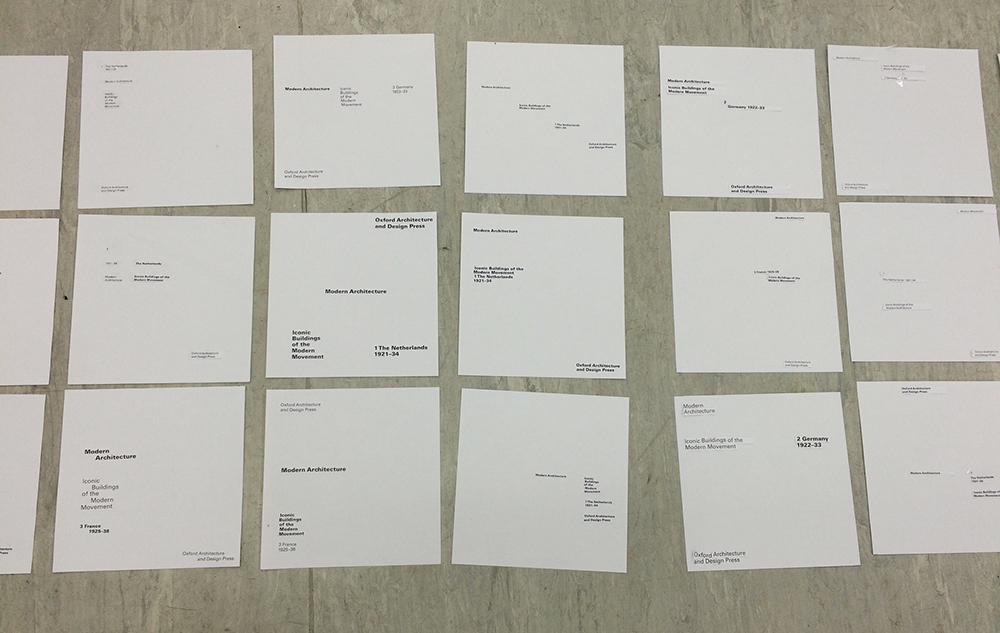
They were then instructed to create a page size of 210mm square, and cut out each line of information and then apply to the canvas. And position by eye, a structured and satisfactory layout. Once decided, stick or glue. Repeat. The whole year group were sat together, working individually and you could hear a pin drop. And each student generated layouts which were structured and unmistakably modernist. Or if have you seen the back cover of a Durutti Column LP, unmistakably 8vo.

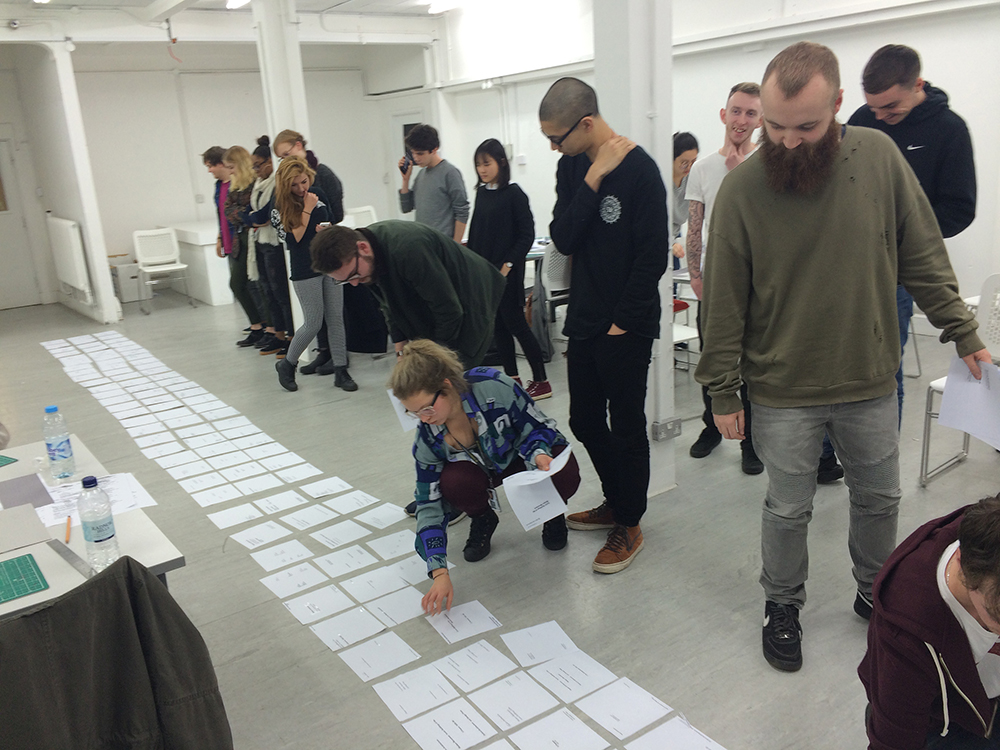
Once completed, Year Two arranged their work in a pathway that lead the length of the studio floor. The results were proof positive of a design discipline learnt. Or experiential learning in action: new experience, reflect, learn, new behaviour. Repeat. For me it’s pure design.

Top photo: Octavo 92.8 Design by 8vo.

Round and Round: Experiential Learning

I would say all of my PG Cert peers related well to the learning theory of experiential learning. John Dewey, the american education reformer asserted that the learner is at the centre of learning, not the teacher. Or to be even more exact, the experience is at the centre because we know that it is true. I believe we all connected because arts or design teaching is directly about learning through doing, whether by responding to a task by making or through team collaboration at workshops. And that is not just instructional skills-based learning. It’s discussing ideas, identifying the skills required, learning and then applying. Evaluate. Repeat.

Experiential learning can follow various cycles: act > reflect > conceptualise > apply. And: understanding > thinking > deciding > action. Or: new experience > reflect > conclude and learning > new behaviour. Around it goes.

The american educational theorist, David Kolb expands on the success of experiential learning by considering each student’s learning style, whether visual or kinetic. Introverts can be reflective. Extroverts active. And the experiential learning cycle can utilise them all through a team dynamic.

Please see my posts on typography and advertising workshops to see how such activity deepens student knowledge and leads to successfully realised projects.

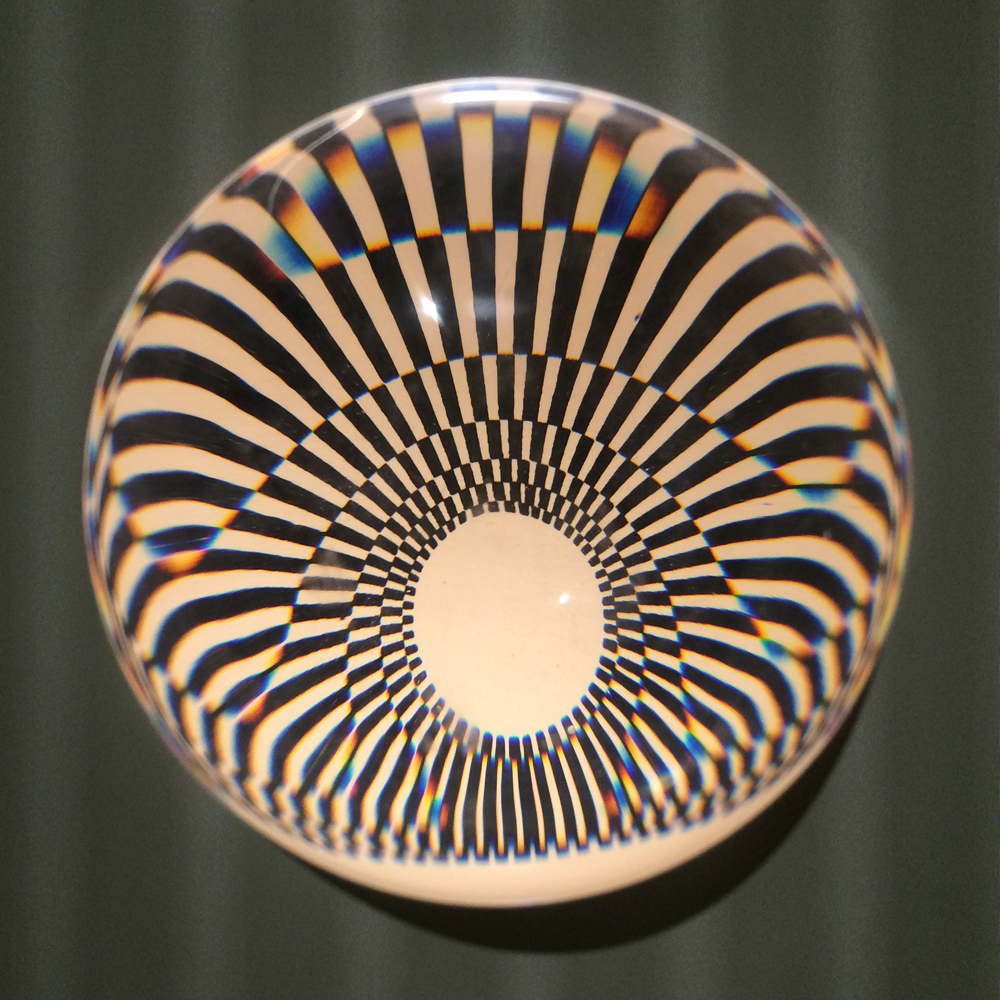
Photo. ZERO: let’s reach for the stars. Stedelijk Museum 2015.

Aim High: Surface and Deep Learning

I made a strong connection with the theory of surface and deep learning. And I think it’s because I can see it in the context of teaching and the learning experience. It’s there in the dialogue between student and teacher and when facilitated, the discussion between student peers. It’s the spark of curiosity. Often in a tutorial I share examples of best practice, which is relevant to the project. Whether the example is on screen or presented as a physical object, the response provokes discussion and the direction for deeper investigation.

Surface learning is perceived as inappropriate learning activities and the perfunctory acquisition of knowledge purely to pass tests or assessment. Immersion in each task is key to deeper learning, once the experience is reflected upon the potential to see the world differently is greater. I think it also has direct links with Socrates and Problem Based Learning. We can expand upon our surface knowledge if our motives are for deeper engagement.

Too often students are motivated by the grade, rather than the process of learning and reflection of their development. But the teacher must create a positive environment to enable curiosity, focus on objectives and a deepening love for our specialist learning. Design. Always design.

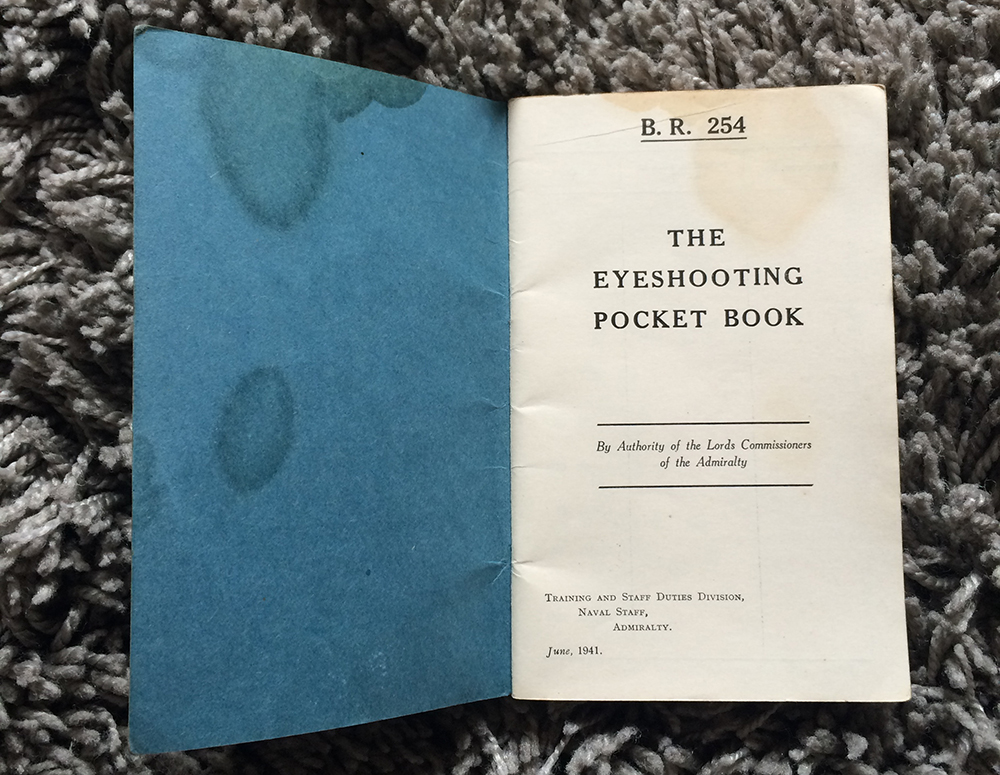
Top photo: ‘The Eyeshooting Pocket Book’ Royal Navy, 1941.

Let’s Talk About Problem Based Learning

Wednesday afternoons are set as the time to follow the taught unit of the PG Cert and meet my peers from others parts of the university, also taking the course. And they are a diverse bunch of tutors from photography, animation and games, plus the valuable members of the technical staff. Individually we have accumulated not only our core expertise but the experience of how we teach our subject. This will be an ideal forum to reflect and discuss our teaching.

So how do we learn? Today we were introduced to the philosophy of Problem Based Learning (PBL). Immediately you think that problem solving is the basis of design practice, surely it’s a given? But then PBL is defined as ‘learning how to learn’. Socrates the greek philosopher was cited as an example who would present his students with problems in which to explore their assumptions, values and identify the inadequacies of their initial solutions. This examination of our beliefs and knowledge is the first breakthrough to follow a path to more illuminated and engaging ideas and solutions.

Our practice of PBL enables us to adapt, be flexible and critique our solutions. But most of all, be independent. And this is the basis of effective design practice, as it demands the context of real life. In university teaching, PBL is evident in each tutorial where we facilitate the investigation prompted by the project challenge. Our students also learn through doing, by taking part in collaborative workshops. Identifying the task to be learnt and the skills required for deeper enquiry. More on that later.

Photo: ‘How to disappear completely’, Rachel Howard – example spread

Workshop 2: YR1 Modular Type

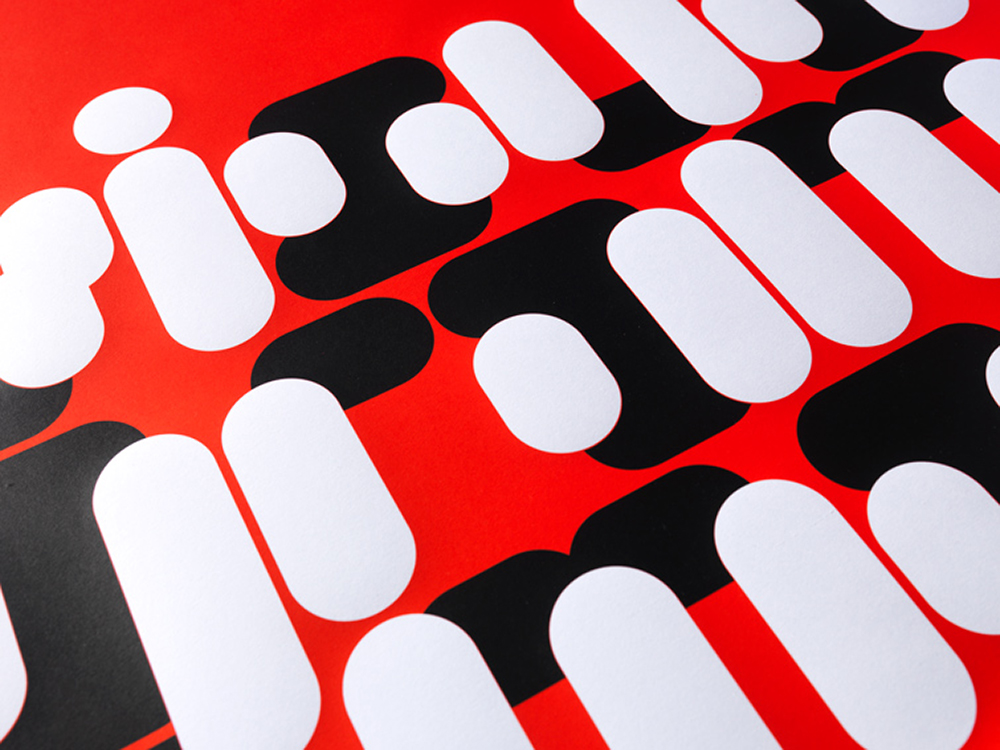
Workshops are an effective method to introduce students to new insights, knowledge and visual enquiry. And I would say most year one students would not have encountered modular letterforms before. Once again an experiential, tactile task enables the opportunity to broaden knowledge and plant the idea that geometric shape can be typefaces too.

I begin these sessions with a short tour through history, from Mondrian, De stijl, Josef Albers to post-war visionaries such as Wim Crouwel, Jurriaan Schroder and Ken Garland; to the present day example of Hamish Muir. All are gateways to new places for research to enrich their creative development.

Now to set the task: take large sheets of paper and select the following shapes of foam board.

And trace. Create your own modular typeface. Visualise A, B, C or better still, spell out the names of the heroes mentioned previously.

Two hours later, the results are encouraging. Students are asked to post the results on twitter and instagram with the #nuamodular. Here are a few examples:

The task gives them plenty to reflect upon. Future possibilities to create their own typeface or bespoke letterforms for a logo.

#nuamodular

New Academic Year, Workshop 1: YR1 Indesign

In recent years, I’ve run a workshop introducing the new graphics Year One to Adobe Indesign. It’s an important skill-based activity with the aim to establish the appropriate use of software. Although the clue is in the name, it’s always surprising to see students using Photoshop for design tasks. Within two hours my mission is to break bad habits and establish a new, professional practice.

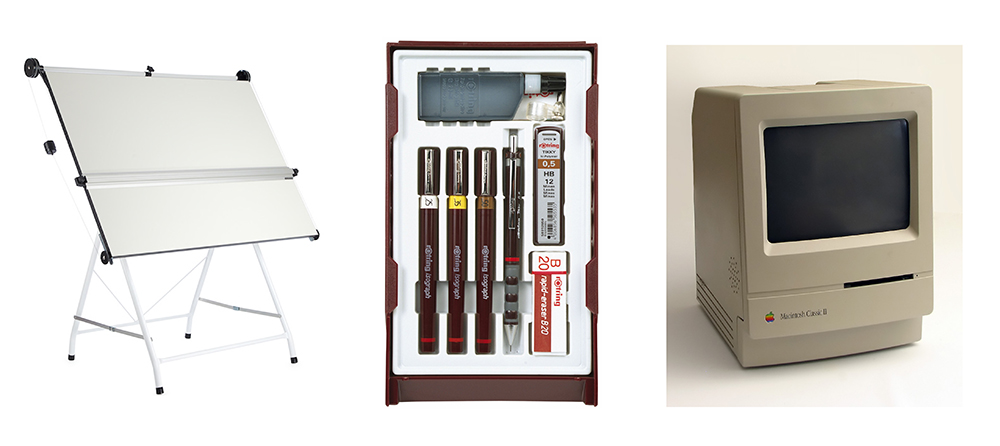
But first a short history lesson. I think it’s important that our students have a sense of traditional studio method, which is still in living memory. Specifically my own! As baseboard artwork was still being taught while I was at art college (1987–1991) – the desktop publishing revolution lead by Apple was only established once I graduated.

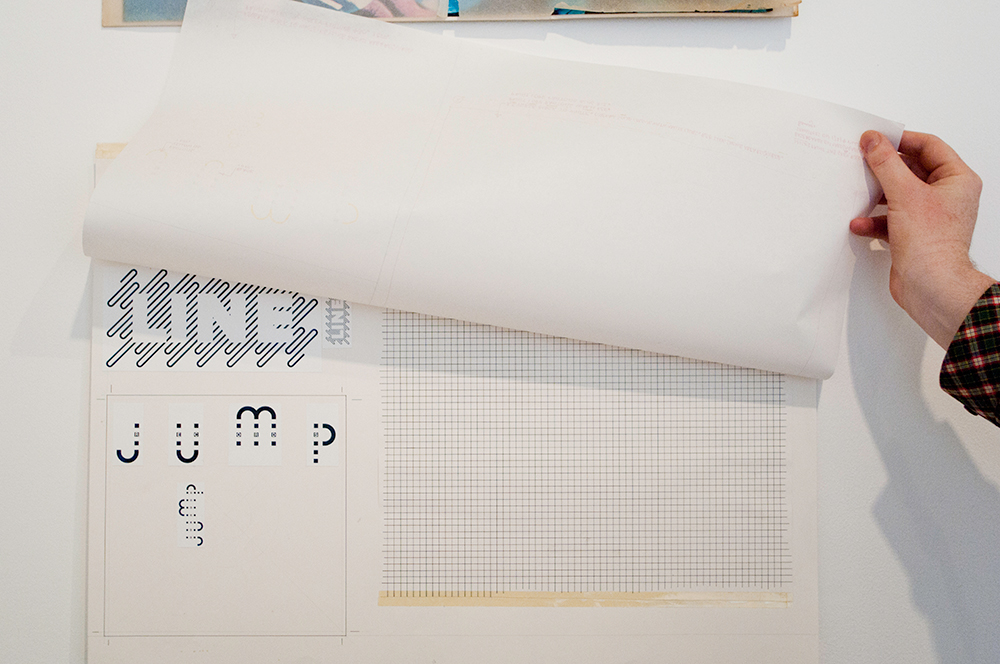
Artwork example by Barney Bubbles.

Pagemaker was an early publishing program, but it was QuarkXpress that became industry standard for over a decade. But their time was cut short by Adobe Indesign, and it was cheaper and bundled with Photoshop and Illustrator. My main message to students is that they need to adapt and be ready to update their skills base. Be fearless. Because change is inevitable.

On with task one. And it’s an opportunity to introduce Year One to swiss graphic designers such as Josef Muller Brockmann, Emil Ruder and my favourite modernist, Wim Crouwel. The main reason being, to advocate the use of grid systems to help guide layout decisions. No blank canvases are allowed from this moment on.

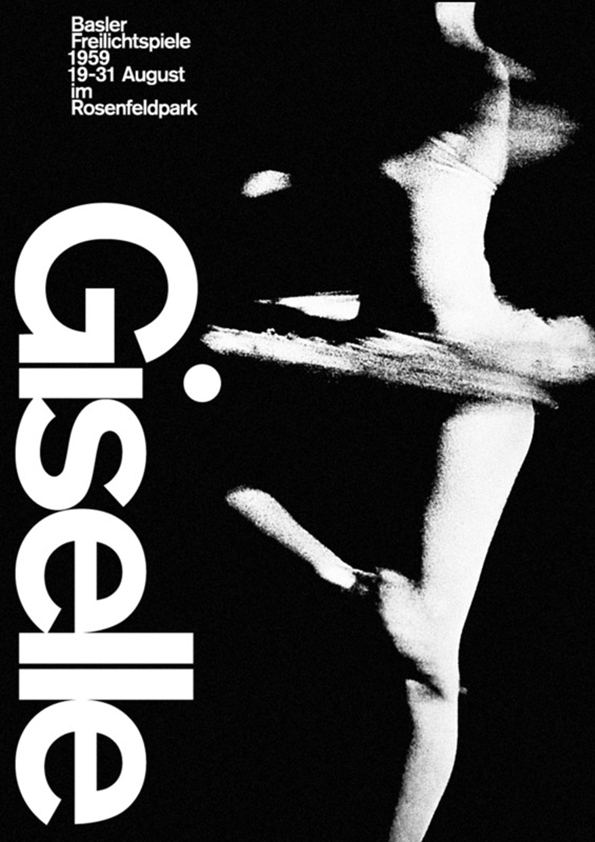
But the first task is to re-create this classic by Armin Hoffman.
Working together, we create a grid system and place the items of copy and image in position. And as we make crucial decisions, I introduce the functionality of the software and explain industry terms such as type point size and leading. It takes ten minutes.
The next task is recreate a political flyer by Helmut Schmid.

Here they learn type hierarchy and layout and simple copy and paste / group and duplicate techniques. Once complete they can test a variety of background colours and finally select their favourite to share with the rest of the group.

We cover a lot of ground in two hours. And it provides a valuable foundation to go forward with their course.

Prelude

We are approaching a new academic year, and today I’ve visited my colleagues to discuss outline briefs for BA Graphic Communication Year Two and Three. My teaching time is booked and recorded in my valuable moleskin diary. And there is the anticipation of the pathway through the PG Cert.

Unit 1: Reflecting on Theory and Practice
This will require:

– Reflective Statement x2

– Blog

– Active Learning Session

– Peer Observation

It is a 30 credit unit to gain Associate Fellowship. Depending on balance between teaching and professional (and family) life, I’ll have to see how far I want to travel. Let’s see how it goes.

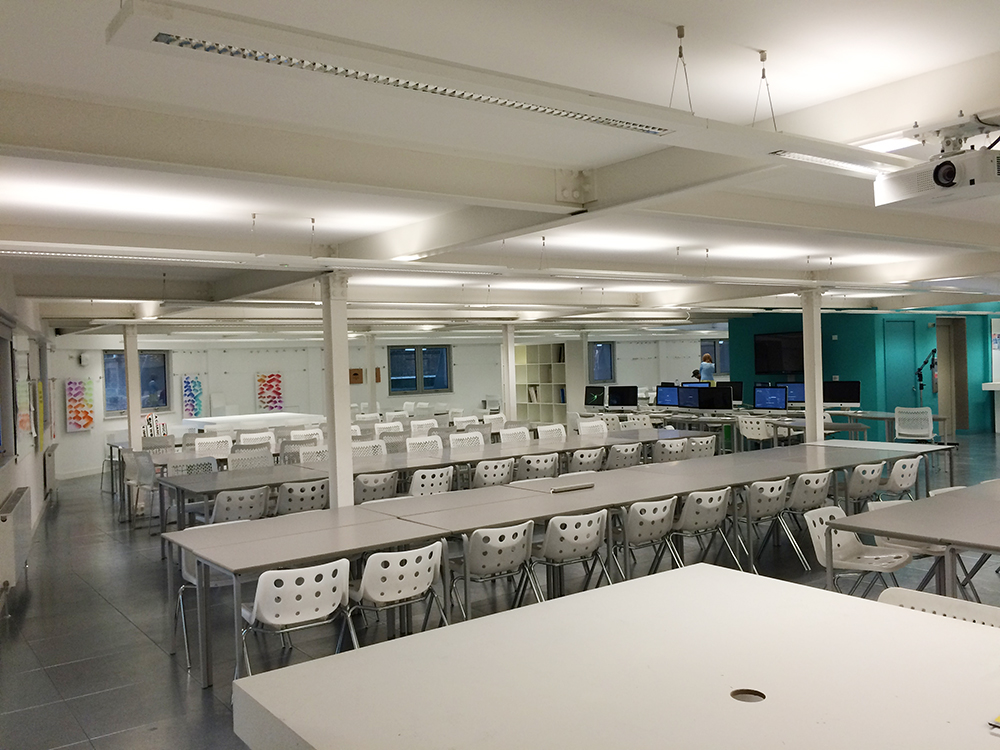
Here’s a photo of Room 96, which I’m pleased to hear will be a dedicated tutorial space for the graphics department. Ideal.

Start!

Here it begins. Since 2008, I’ve been teaching part-time at Norwich University of the Arts for the BA graphics courses. And I’ve loved it, discovering that the combination of teaching and mentoring, alongside my own professional practice can be mutually enriching. NUA have now asked me to take part in the Post Graduation Certificate for Higher Education, with the aim to gain Associate Fellowship. It will be interesting to review my teaching methods and chart my progress during a typical academic year. Hold on tight.

Photo: NOVA magazine spread, design by David Hillman.